Residential & Construction Dumpster Rentals

Roofing Dumpster Rental

Compare roofing dumpster rental options for roof replacements, tear-offs, shingles, and other roofing projects. Call to discuss your project, debris, and dumpster size needs.

(844) 750-0746 Call for Roofing Dumpster Help
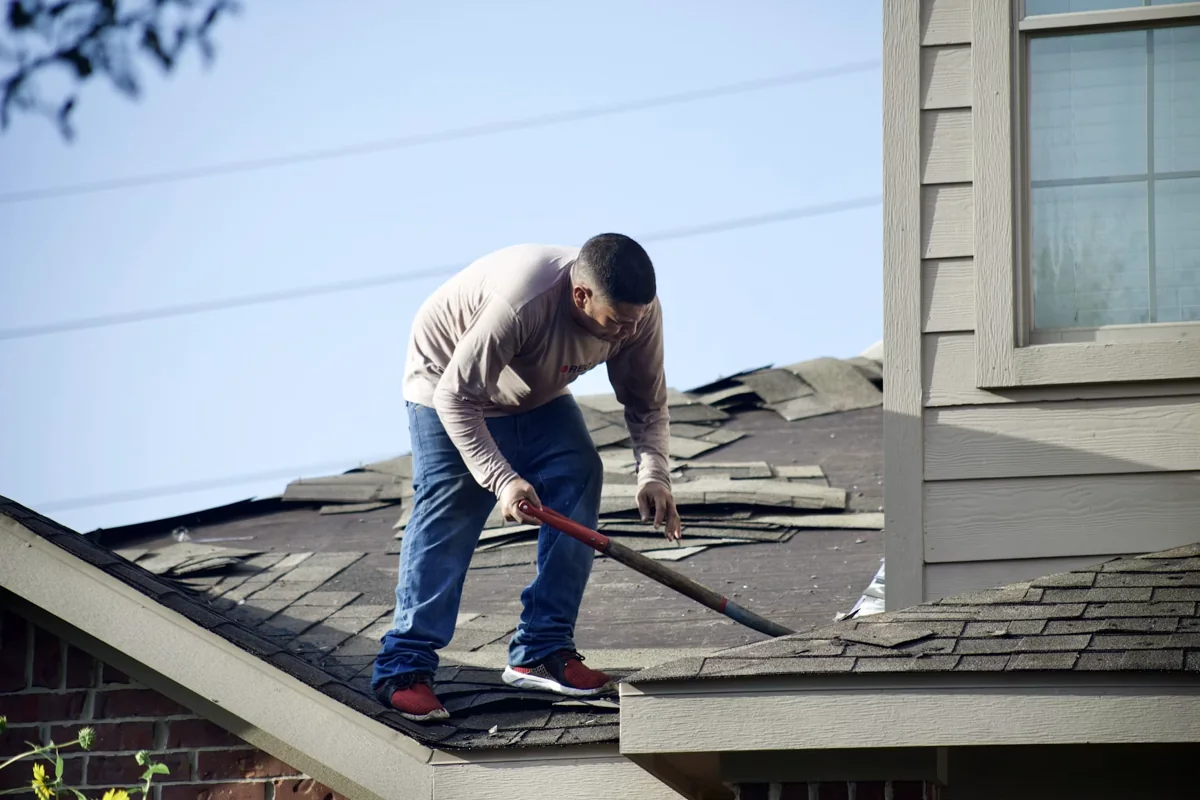
Worker removing old shingles from a residential roof

Dumpster Rental for Roofing Projects

Roof replacements and tear-offs can generate shingles, underlayment, flashing, packaging, and other jobsite debris. Roofing dumpster rental gives homeowners and contractors a designated place to collect approved material as work progresses, helping keep the cleanup organized. The appropriate option depends on the project scope, the material being removed, the expected debris amount, and the space available for placement. Discuss these details before selecting a dumpster for roofing projects, including which materials can be loaded and how the container will be accessed during the work.

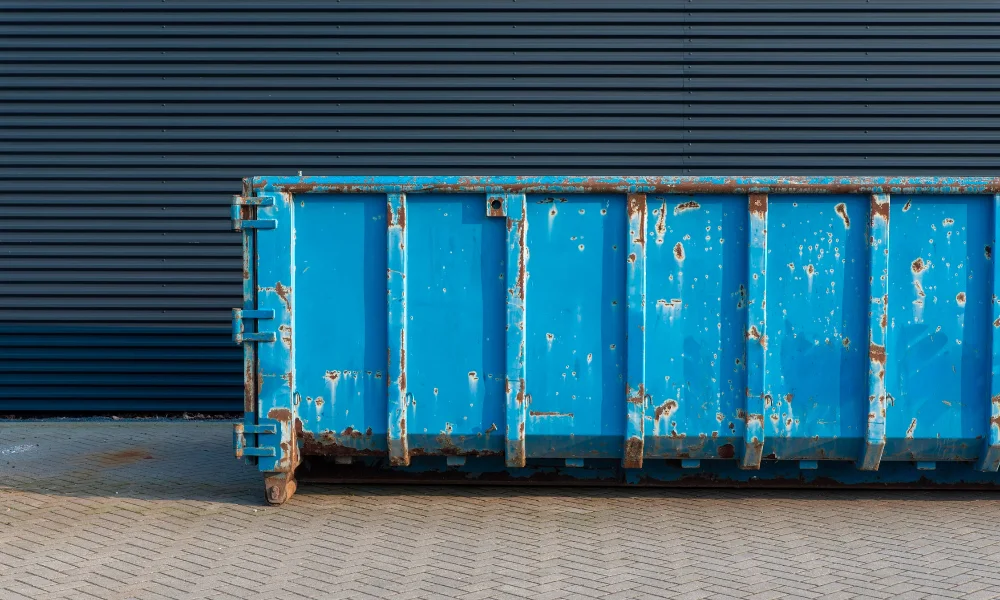
Blue roll-off dumpster beside an industrial building

Roof Replacement

Dumpster rental for roof replacement provides a designated collection area for removed roofing material and related project debris. Consider the extent of the replacement and the materials involved when discussing options, so debris collection can be planned alongside the roofing work.

Roof Tear-Off Projects

Old roofing materials can accumulate quickly during removal. When planning dumpster rental for roof tear-offs, discuss the type of debris and how it will be collected. Confirm which materials can be loaded before placing them in the container.

Shingle Removal

Shingles can be heavy, so their material and expected amount matter when comparing dumpster options. For dumpster rental for shingles, describe the removal work and discuss loading and disposal requirements before choosing a container, rather than relying on visual volume alone.

Roofing Renovations

Smaller roofing repairs or renovations may generate a mixture of removed material, packaging, and other project debris. A designated dumpster may help organize collection when the amount of waste warrants one. Consider the work involved and the available placement space before deciding.

Choosing a Dumpster Size for Roofing Debris

Choosing a dumpster for roofing work involves more than comparing how large the containers look. Consider the scope of the roof work, the type and amount of material being removed, the available placement area, and how debris will be loaded during the project. Roofing debris can be heavy, so discuss the material and project details rather than relying only on volume. Planning these details together helps you compare options and identify questions to ask before selecting a container.

Before discussing which option may fit your roofing project, compare common dumpster sizes.

  1. Roofing Project Scope

    A small repair, a partial replacement, and a complete tear-off can produce different amounts of debris. Describe the planned work and the areas involved when discussing a roofing dumpster, rather than assuming one size suits every project.

  2. Type of Roofing Material

    Shingles, underlayment, flashing, and related roofing debris can differ in weight and handling requirements. Explain which materials you expect to remove and confirm what can be loaded before choosing a container.

  3. Expected Debris Amount

    Estimate the amount of material the work may generate, including debris collected as the project progresses. This helps you compare smaller and larger options while considering material weight alongside the space the debris occupies.

  4. Placement and Access

    Consider practical space for the container, delivery access, and loading access during the work. Discuss the proposed placement area and any obstacles before arranging the dumpster, rather than assuming a particular spot will be suitable.

How Roofing Dumpster Rental Works

Planning ahead for debris, placement, and project timing can make the dumpster rental process easier to coordinate with your roofing work.

  1. Share Your Roofing Project Details

    Be ready to explain whether the work involves a roof replacement, tear-off, repair, or renovation. Share the roofing material being removed, the expected debris amount, the project location, and approximate timing. These details provide a practical starting point for discussing your dumpster needs.

  2. Compare Dumpster Options

    Discuss project scope, debris material, expected amount, and available placement space to narrow the options. A roofing dumpster should be considered alongside the work planned and the material being removed, rather than selected only by how large the container looks.

  3. Arrange Delivery and Placement

    Discuss delivery details and the proposed placement area before the container arrives. Consider practical access to the property, space for the dumpster, and how debris will reach it during the roofing work. Explain any obstacles so placement arrangements can be discussed in advance.

  4. Plan for Pickup

    Once the roofing debris has been loaded and the project is ready for container removal, coordinate pickup. Discuss readiness and access to the dumpster when making arrangements, and communicate any changes to the roofing schedule that could affect when removal is needed.

Roofing Dumpster Rental FAQs

Get answers to common questions about roofing debris, dumpster selection, placement, and planning for roof replacement or tear-off projects.

What size dumpster do I need for a roofing project?

The appropriate dumpster depends on the scope of your roofing work, the material being removed, the expected debris amount, and available placement space. Material weight also matters, especially when removing shingles. Discuss these details together before selecting an option, since the visual size of a container alone does not establish whether it suits the project.

What should I consider when renting a dumpster for roof shingles?

Shingles can be heavy, so explain the type you are removing, the approximate amount, and the scope of the roofing work. Discuss your loading plan and disposal requirements before choosing a container. Planning dumpster rental for shingles around these details helps you ask useful questions without relying on a general size estimate alone.

Can I use a dumpster for a roof replacement or tear-off?

Dumpsters are commonly used to collect debris generated during roof replacement and tear-off work. When discussing dumpster rental for roof replacement, describe the materials being removed and the planned cleanup. Confirm project details and accepted materials before loading, since a container should not be assumed suitable for every type of roofing waste.

What roofing materials can go in the dumpster?

Accepted materials can vary, so confirm what may be loaded before your roofing work begins. Shingles, underlayment, flashing, and related roofing debris are examples to discuss when explaining the project, not a definitive acceptance list. If your debris includes several different materials, describe them individually rather than assuming they can all go together.

Where should a roofing dumpster be placed?

Placement depends on the available space, delivery access, loading access, and overall project layout. Discuss the proposed area and potential obstacles before arrangements are made. Roofing dumpsters need to be considered alongside how material will be collected during the work; a location that looks convenient may still need further discussion.

When should I arrange a roofing dumpster rental?

It helps to discuss a roofing dumpster rental before the roofing work begins, so project details, expected debris, placement, and approximate timing can be considered together. Share the planned start of the work and any uncertainties in the schedule. Confirm arrangements directly and communicate changes that could affect delivery or pickup planning.